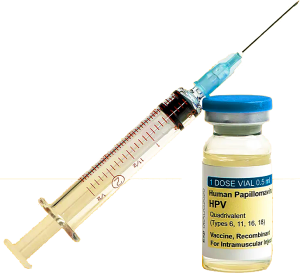
 HPV Vaccination: Protect Yourself Against Human Papillomavirus
Human papillomavirus (HPV) is a common virus that affects the skin and moist membranes of the body. Most sexually active people will encounter HPV at some point in their lives, often without knowing it. While many HPV infections clear naturally, certain types can cause genital warts and several types of cancer.
HPV vaccination is an effective way to protect against the HPV types responsible for most HPV-related cancers and genital warts. Whether you are considering vaccination for yourself or a family member, our pharmacy can provide information about the benefits of HPV vaccination and help you understand your options for private vaccination.
What is HPV?
Human papillomavirus (HPV) is a group of more than 200 related viruses. Different types affect different parts of the body, and most HPV infections do not cause noticeable symptoms.
HPV is generally divided into two broad groups:
- Low-risk HPV types: These can cause conditions such as genital warts but are not usually associated with cancer.
- High-risk HPV types: Persistent infection with certain high-risk types can cause changes in cells that may eventually develop into cancer.
HPV is particularly associated with cervical cancer, but it can also cause cancers affecting the anus, penis, vulva, vagina and the back of the throat, including the tonsils and base of the tongue.
Because HPV often causes no symptoms, people can carry and transmit the virus without realising they have it. Vaccination provides an important opportunity to reduce the risk of infection from the HPV types covered by the vaccine.
How does the HPV virus spread?
HPV is primarily transmitted through intimate skin-to-skin contact, including sexual contact. It can spread even when an infected person has no visible symptoms.
Common routes of transmission include:
- Vaginal sex.
- Anal sex.
- Oral sex.
- Genital skin-to-skin contact without penetration.
Condoms can reduce the risk of HPV transmission, but they cannot provide complete protection because the virus can affect areas of skin that a condom does not cover.
HPV is extremely common and can remain undetected for months or years. A diagnosis of HPV does not necessarily mean that an infection is recent or indicate when or from whom it was acquired.
Which conditions are linked to HPV infection?
Most HPV infections resolve naturally without causing health problems. However, persistent infection with certain high-risk HPV types can lead to abnormal cell changes and, in some cases, cancer.
Conditions associated with HPV include:
Cervical cancer
Almost all cases of cervical cancer are linked to persistent infection with high-risk HPV types. HPV vaccination significantly reduces the risk of developing cervical precancerous changes and cervical cancer.
Other HPV-related cancers
HPV is also associated with cancers of the anus, penis, vulva, vagina and oropharynx (the back of the throat, including the tonsils and base of the tongue). Both men and women can develop HPV-related cancers.
Genital warts
Certain low-risk HPV types cause genital warts. These are non-cancerous growths that can appear around the genital or anal areas.
Abnormal cell changes
Persistent high-risk HPV infection can cause changes in cells in the cervix and other areas. Some changes may resolve naturally, while others require monitoring or treatment to prevent progression to cancer.
HPV vaccination helps prevent new infections from the HPV types covered by the vaccine. It does not treat an existing HPV infection, genital warts or established cell changes. Eligible people should continue to attend cervical screening when invited, even if they have been vaccinated.
How can you protect yourself from HPV?
There are several ways to reduce your risk of HPV infection and its associated health problems.
1. Get vaccinated against HPV
HPV vaccination is one of the most effective ways to protect against the virus types responsible for most HPV-related cancers and genital warts. Vaccination works best before exposure to HPV, which is why it is routinely offered to young people in the UK.
In the UK, the NHS routinely offers HPV vaccination to eligible school-age children. Some people who missed their routine vaccination may also be eligible for catch-up vaccination through NHS services, depending on their age and circumstances.
Adults who are not eligible for NHS vaccination may wish to explore private vaccination.
2. Use condoms
Condoms can reduce the risk of HPV transmission, although they cannot eliminate the risk completely because HPV spreads through contact with uncovered skin.
3. Attend cervical screening when invited
Cervical screening helps detect high-risk HPV and associated cell changes before cervical cancer develops. Vaccination does not replace the need for screening.
4. Seek medical advice about symptoms
If you notice unusual growths, persistent symptoms or other genital changes, consult an appropriate healthcare professional. HPV infections often have no symptoms, so the absence of symptoms does not guarantee that someone is free from the virus.
Booking an HPV vaccine appointment
If you are considering HPV vaccination and are not eligible for the NHS programme, a private vaccination appointment may be an option.
Our pharmacy team can explain the vaccination service, discuss suitability and help you understand the steps involved.

